

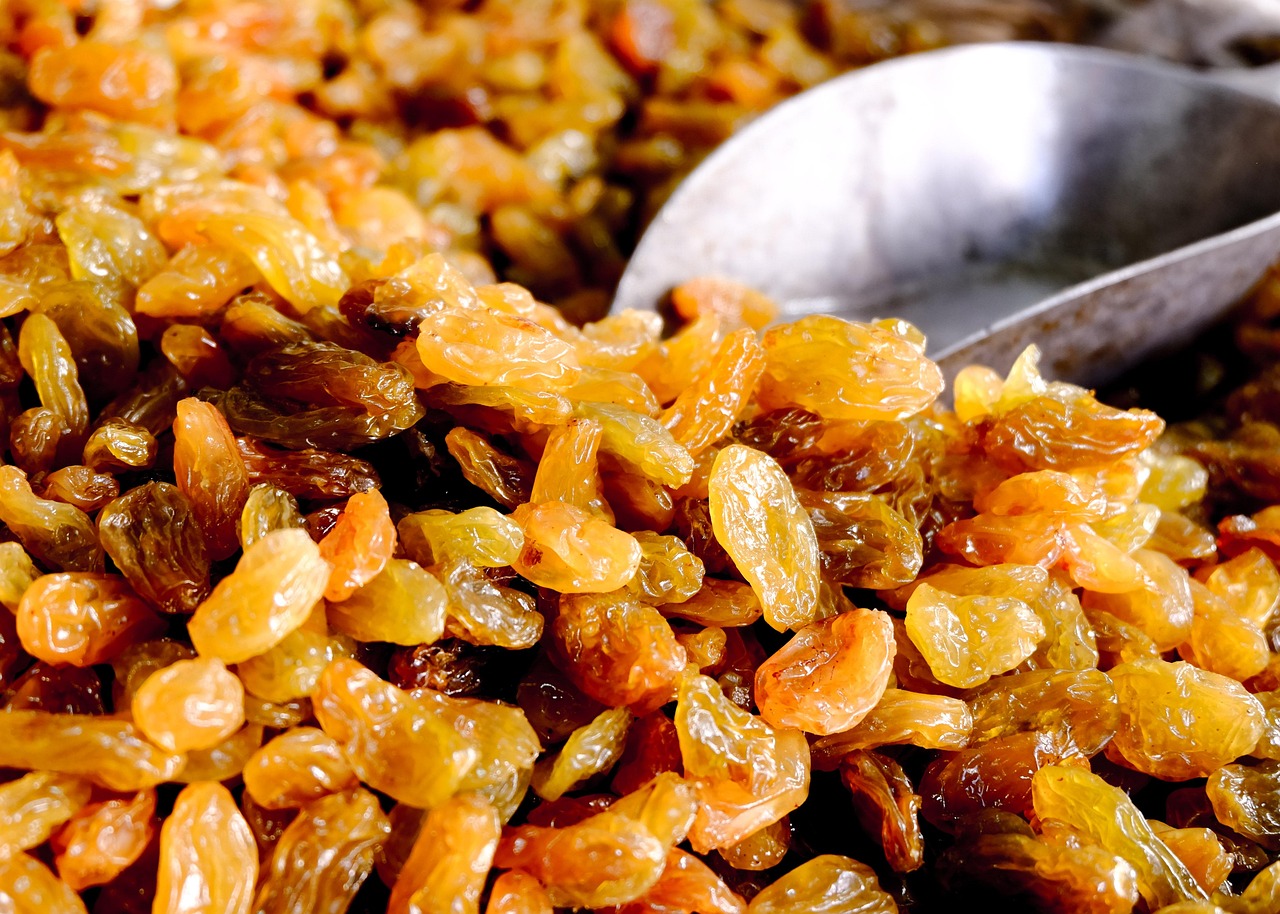
Raisins, often called “nature’s candy,” are dried grapes that are not only delicious but also packed with essential nutrients. They are widely used in desserts, bakery items, cereals, snacks, and traditional dishes across the world. Despite their small size, raisins are a powerhouse of energy, vitamins, and minerals.
Nutritional Value of Raisins
Raisins are rich in:
-
Natural sugars (glucose and fructose)
-
Dietary fiber
-
Iron, copper, and potassium
-
Calcium and boron
-
Antioxidants like polyphenols
Health Benefits of Raisins
-
Instant Energy Booster
Raisins are an excellent source of natural sugars that provide quick energy, making them a great snack for athletes and children. -
Improves Digestion
The dietary fiber in raisins helps relieve constipation and supports a healthy digestive system. -
Prevents Anemia
Being rich in iron and copper, raisins help in the formation of red blood cells and prevent anemia. -
Strengthens Bones
Raisins contain calcium and boron, which are essential for bone strength and preventing osteoporosis. -
Promotes Heart Health
With potassium and magnesium, raisins help regulate blood pressure and reduce the risk of cardiovascular diseases. -
Boosts Immunity
Antioxidants present in raisins strengthen the immune system and protect the body from infections.
Best Ways to Consume Raisins
-
Soaked overnight and eaten on an empty stomach.
-
Added to milk, oatmeal, or smoothies.
-
Used in desserts like kheer, cakes, or puddings.
-
Mixed with nuts for a healthy snack.
Precautions
-
Consume raisins in moderation as they are high in natural sugars.
-
Diabetic patients should consult a doctor before including large amounts in their diet.
Conclusion
Raisins are more than just a sweet dried fruit—they are a nutritious superfood that provides energy, improves digestion, strengthens bones, and boosts immunity. Adding a handful of raisins to your daily diet can contribute to a healthier lifestyle.
