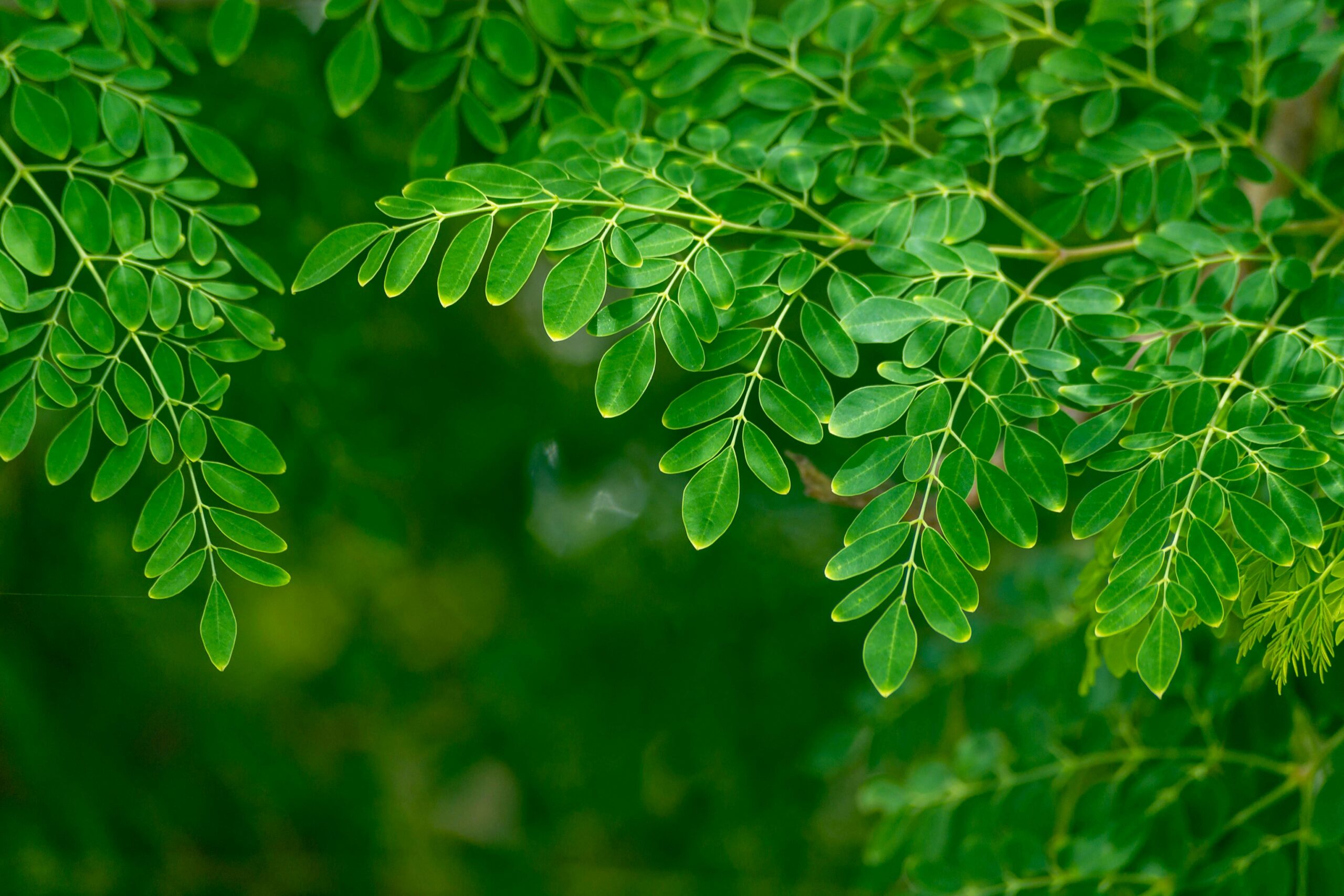

Moringa oleifera, commonly known as the Drumstick tree, Horseradish tree, or Sahjan, is a fast-growing, drought-resistant tree native to the Himalayan regions of India and Nepal. It has been celebrated for centuries in traditional medicine systems like Ayurveda for its remarkable nutritional and medicinal properties. Today, it is widely recognized as a superfood and is even referred to as the “Miracle Tree”.
Botanical Profile
-
Scientific Name: Moringa oleifera
-
Family: Moringaceae
-
Common Names: Drumstick tree, Horseradish tree, Sahjan
-
Native Region: India, Nepal, and sub-Himalayan areas
-
Plant Parts Used: Leaves, seeds, pods, flowers, bark, roots
Nutritional Value of Moringa
Moringa is packed with vitamins, minerals, antioxidants, and plant-based proteins. The leaves are the most nutrient-rich part and are often consumed fresh, dried, or powdered.
Key Nutrients in 100 grams of Moringa leaves (approx.):
-
Vitamin A: 9 times more than carrots
-
Vitamin C: 7 times more than oranges
-
Calcium: 4 times more than milk
-
Iron: 25 times more than spinach
-
Potassium: 15 times more than bananas
-
Protein: Twice as much as yogurt
This rich profile makes Moringa one of the most nutrient-dense plants on Earth.
Health Benefits of Moringa Oleifera
1. Boosts Immunity
Moringa leaves are high in Vitamin C and antioxidants, strengthening the immune system and helping the body fight infections.
2. Supports Healthy Blood Sugar Levels
Several studies suggest that Moringa may help lower blood sugar, making it beneficial for people with diabetes.
3. Improves Heart Health
Its antioxidant and anti-inflammatory properties may reduce cholesterol levels and improve cardiovascular health.
4. Strengthens Bones and Muscles
Rich in calcium, magnesium, and phosphorus, Moringa supports bone density and muscle function.
5. Enhances Skin and Hair Health
Moringa oil and leaf extracts contain Vitamin E and antioxidants that nourish the skin, delay aging, and strengthen hair.
6. Aids Digestion
The fiber content in Moringa helps regulate digestion and supports gut health.
7. Reduces Inflammation
Bioactive compounds in Moringa help reduce chronic inflammation, a root cause of many diseases.
8. Fights Anemia and Fatigue
High iron content makes Moringa an excellent natural remedy for anemia and fatigue.
Traditional and Modern Uses of Moringa
-
Leaves: Eaten fresh, cooked as vegetables, dried into powder for smoothies, teas, or supplements.
-
Pods (Drumsticks): Used in curries, soups, and stews.
-
Seeds: Pressed to produce Moringa oil; also used in water purification.
-
Flowers: Used in teas and traditional medicine for their calming effect.
-
Roots & Bark: Traditionally used for medicinal extracts (should be used cautiously).
Forms of Moringa Available
-
Moringa Powder – Easy to mix with smoothies, juices, or meals.
-
Moringa Tea – A natural energy booster.
-
Moringa Capsules/Tablets – Convenient supplements.
-
Moringa Oil – Used in cosmetics, skincare, and cooking.
Possible Side Effects and Precautions
While Moringa is generally safe, excessive consumption may cause mild digestive issues. Pregnant or breastfeeding women should consult a doctor before using Moringa extracts, especially root and bark.
Conclusion
Moringa oleifera truly lives up to its name as the “Miracle Tree”. With its exceptional nutritional value, medicinal properties, and wide range of uses, it can play a significant role in promoting overall health and wellness. Whether consumed as fresh leaves, powder, tea, or oil, Moringa offers a natural solution to modern health challenges.
Incorporating Moringa into your daily diet can be a powerful step toward a healthier lifestyle.